About LIGHT AND DARK TEST APPARATUS FOR RATS & MICE
The Light and Dark Test also known as the LightDark Box Test is a behavioral assay used in pharmaceutical research to assess anxietylike behaviors in rodents specifically rats and mice Here is how it is used and its significance in research Assessment of Anxiety The primary purpose of the Light and Dark Test is to evaluate anxietylike behaviors in rodents The test is based on the natural aversion of rodents to brightly lit areas and their preference for dark enclosed spaces This preference is linked to their instinct to avoid potential predators and open spaces Test Setup The apparatus typically consists of a box divided into two compartments one brightly lit light compartment and the other dark dark compartment The light compartment is usually open and illuminated with bright light while the dark compartment is enclosed and covered providing a shaded area Behavioral Measures During the test a rodent is placed in the middle of the apparatus and its behavior is observed and recorded Key behavioral measures include Latency to Enter the Dark Compartment The time taken for the rodent to enter the dark compartment from the light compartment Time Spent in Each Compartment The amount of time the rodent spends in the light compartment versus the dark compartment Number of Transitions The number of times the rodent moves between the light and dark compartments Anxiolytic and Anxiogenic Drug Testing The Light and Dark Test is commonly used to evaluate the effects of anxiolytic anxietyreducing and anxiogenic anxietyinducing compounds Anxiolytic drugs typically increase the time spent in the light compartment and the number of transitions between compartments indicating reduced anxiety Conversely anxiogenic substances reduce the time spent in the light compartment and the number of transitions Studying Genetic and Environmental Factors Researchers use the Light and Dark Test to study the impact of genetic modifications environmental factors and stress on anxietylike behaviors Comparing the behavior of genetically modified rodents with wildtype controls or assessing the effects of environmental stressors can provide insights into the biological and environmental determinants of anxiety Behavioral Phenotyping The test is part of a broader battery of behavioral assays used for phenotyping rodent models It provides valuable data on anxietyrelated behaviors contributing to a comprehensive understanding of the behavioral phenotype of different strains or genetically engineered models Mechanistic Studies The Light and Dark Test can be used in combination with pharmacological interventions to investigate the underlying mechanisms of anxiety By examining the effects of drugs that target specific neurotransmitter systems eg serotonin GABA researchers can gain insights into the neurobiological pathways involved in anxiety Validation of Animal Models The test is used to validate animal models of anxiety disorders By demonstrating that certain genetic pharmacological or environmental manipulations lead to anxietylike behaviors in the Light and Dark Test researchers can establish the relevance of these models for studying human anxiety conditions
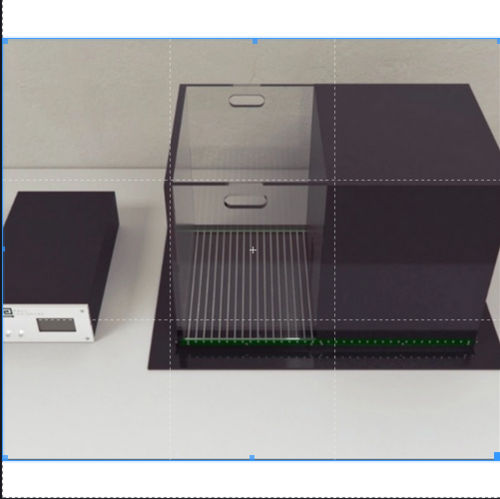
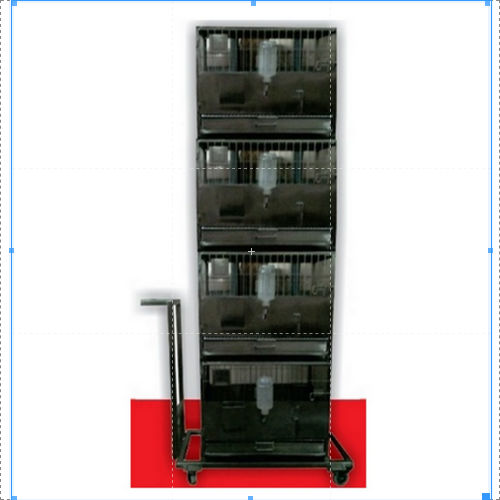
Versatile Two-Compartment DesignFeaturing a transparent light chamber and a light-proof opaque dark chamber, the apparatus is constructed with a central partition and a pass-through opening. This setup enables the observation of natural preferences and exploration tendencies in laboratory rats and mice, making it ideal for anxiety-related behavioral studies.
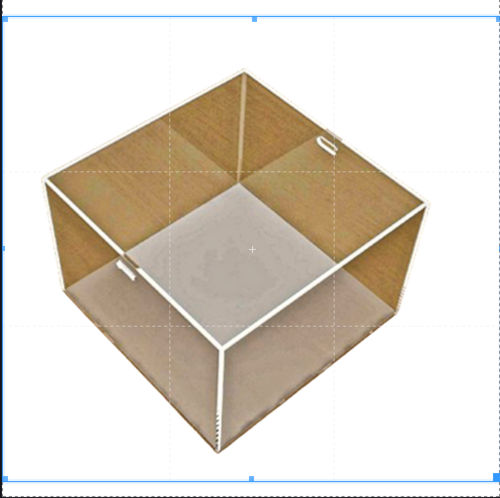
Precision and Ease of UseWith carefully dimensioned compartments for rats and mice, a non-absorbent ribbed floor, and a smooth, chemical-resistant finish, this apparatus is designed for accuracy and ease of cleaning. The removable or sliding lid ensures effortless access, while rounded edges enhance animal safety throughout experimentation.
Safe and Compliant ConstructionManufactured using high-grade acrylic and opaque PVC, the device removes sharp edges and provides a humane, safe environment for animals. The design meets commonly accepted standards for laboratory animal care and welfare, ensuring ethical and reliable behavioral testing.
FAQs of LIGHT AND DARK TEST APPARATUS FOR RATS & MICE:
Q: How does the Light and Dark Test Apparatus operate for behavioral studies in rats and mice?
A: The apparatus uses two adjacent chambersone transparent and illuminated, and one opaque and darkseparated by a partition with a central opening. Animals are allowed to freely explore both compartments, providing data on their anxiety and exploratory responses by manually recording the time spent in each chamber.
Q: What scientific fields benefit from using this test apparatus?
A: This apparatus is widely used in pharmacology, neuroscience, behavioral science, and toxicology studies, as it helps measure anxiety, exploratory behavior, and responses to different compounds or environmental changes in laboratory rodents.
Q: When should manual observation be performed during a test session?
A: Manual observation should be initiated as soon as the animal is introduced into the apparatus and continue throughout the duration of the test, typically ranging from 5 to 10 minutes, to accurately record the time spent in both light and dark compartments.
Q: Where is the best environment to set up and use the apparatus?
A: The light and dark test apparatus should be placed in a quiet, controlled ambient temperature laboratory environment with minimal external disturbances for optimal behavioral observation and accurate data recording.
Q: What is the process for cleaning and maintaining the apparatus after each use?
A: To clean the apparatus, simply remove the top lid and disassemble the core components. The non-absorbent, ribbed floor and smooth surfaces can be wiped with standard laboratory cleaning agents, ensuring a hygienic and residue-free setup for subsequent tests.
Q: How is animal safety ensured during testing?
A: The apparatus features smooth, rounded edges, is free from sharp points, and is constructed from animal-friendly materials like high-grade acrylic and PVC. The design adheres to laboratory animal welfare standards to keep animals comfortable and safe during testing.
Q: What are the benefits of using this apparatus for behavioral testing?
A: This apparatus provides reliable, reproducible results in assessing animal anxiety and exploration. Its portable, easy-to-clean design, coupled with compliance to welfare standards, ensures efficient lab workflow and humane treatment of test animals.





 Send Inquiry


 Send Inquiry
 Send Inquiry
 Send SMS